
What 19 Product Launches Taught Me: A Field Guide to Commercial Viability
The product is not the hardest part of a product launch. The hardest part is the commercial ecosystem — the network of stakeholders whose needs, behaviors, and decisions must be aligned before a product can achieve the adoption it was designed to produce.
Know Your Customer Better Than They Know Themselves: Value Proposition, Segmentation, Targeting, and Positioning in Life Sciences
The value proposition is not a statement. It is a commercial hypothesis — a testable claim about who needs what, why this product provides it better than any alternative, and why that matters to the specific customer whose behavior the organization needs to change.
The Price Is the Strategy: What Nineteen Launches Taught Me About Pricing in Life Sciences
Most organizations treat pricing as the last commercial decision because they believe the market will tell them what the product is worth. The market will — but what it reports is perceived value, not true economic value. The gap between the two is where pricing strategy lives.

The Wellness Economy: Where Health Infrastructure Meets Commercial Strategy
The wellness economy is not a tenant amenity trend. It is a structural market signal that is reshaping investment and use decisions across every commercial asset class.

What Five Years of Florida Commercial Real Estate Data Taught Me About Strategic Patience
Five years of Florida commercial real estate data, what the population, industrial, and capital signals revealed before the market made them obvious.

Where the Market Is Moving: What Regional Migration Data Tells You Before the Market Does
Migration data doesn't describe where people are going. It predicts where commercial demand is heading 12 to 24 months before the market reflects it.
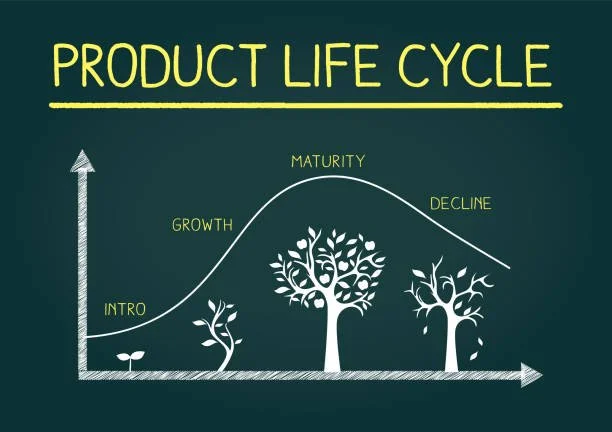
The Product Lifecycle Is a Brand Lifecycle. Most Organizations Build It Too Late.
Regulatory approval is a milestone. Commercial viability is a design problem. And like all design problems, it requires the right kind of thinking, applied far earlier than most organizations begin.